Friday, September 7, 2012

Hawker Style Cooking


After I had my first experience cooking tongseng (Indonesian goat meat curry), I simply can't stop wondering why the Hawker Style tongseng almost always tastes better than home made tongseng including the one I cooked. 

To satisfy my curiosity I went to one of the famous tongseng and goat satay hawkers near my home. Of course I ordered Tongseng and watched carefully when the hawker prepared and cooked the tongseng.  

After that visit, I tried to cook Tongseng the Hawker Style Here’s my Hawker Style Tongseng Recipe

The Ingredients Main ingredient:
  • the goat meat
The goat meat used by the hawker for 1 serving of tongseng is the same amount of the goat meat used for 10 skewers of goat satay hence already cut into small cubes.
  • I used 300 gram of goat meat, cut into small cubes
 

Other ingredients:
  • ½ cup of coarsely sliced onion or shallots
  • 1 tablespoon sliced garlic
  • 2 tablespoons of Indonesian sweet soy sauce (kecap manis)
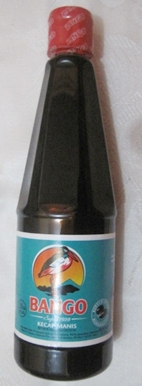
 

  • 3-5 red chilies, cut diagonally
  • 50- 100 gram of coarsely sliced cabbage
  • 2 red tomatoes, cut into wedges
   

How to prepare the curry soup (kuah gulai)

The hawker has prepared the curry or gulai soup at home and then sends it to his tongseng stall. When asked what ingredients are used, he refused to reveal them. 

However, he mentioned that the secret of the tongseng taste lies on the ingredients of the curry soup hence it's not to be shared – fair enough. Although didn't share the recipe of his curry soup, the hawker was very helpful. He advised me to use instant curry paste (bumbu gulai) rather than trying to prepare the curry spice-paste myself. 

He did not say which brand is the best but suggested that I try out different brands and find out which one I like the most – then stick with what suits me best (....perhaps this is his secret recipe....who knows he's being sponsored by one of the curry spice-paste producers :-) I follow the hawker's advice and will try out different brands of instant curry paste or bumbu gulai until I find which one tastes best.  

Ingredients for the curry soup:
  • 1/2 pack of instant curry spice paste - this time I used Finna bumbu gula (note: one pack is for 500 gram of goat meat)
 

  • coconut milk (diluted from 1 pack of coconut cream powder in 300 ml water)
   

How to prepare the curry soup:
  • On a pan or wok stir fry the curry-paste (bumbu gulai) until fragrant
 

  • Then add coconut milk, stir until mixed well
  • Continue to cook until it boils then remove from heat


How to prepare the goat meat:
  • Put the goat meat cubes in a plate or bowl, cover the meat with the sliced onion, garlic and chilies then pour in kecap manis and stir until mix well


How to cook the Tongseng:
  • Put a pan or wok on medium heat
  • Pour in the cooking oil until hot
  • Stir fry the mixed goat meat until well cooked
 

  • Add in the cabbage and tomatoes, continue to stir fry until wilted
 

  • Then pour in the curry soup, continue to cook for another 10 minutes or so until the soup is boiled and the meat is tender
  • Add salt and pepper and more kecap manis if needed
 

  • Remove from heat, sprinkle with fried shallots on top (optional)

Voila.... Here's the result of Tongseng the Hawker Style........


 Indeed it tastes better......

Monday, August 1, 2011

Stay Cool on a Hot Day


Most of my life, I live in a city with warm and humid climate, I am supposed to get used to hot and humid weather. But somehow my body does not seem willing to adapt to it. The combination of warm temperature and high humidity like now always make me all sweaty and cranky….

How can I stay cool  on a  hot day like this?


How about making cold dessert drinks?

In my country, we have so many popular drinks which are based on ice (in our language we call it Es) and can also be classified as desserts.  Typical examples include es campur (mixed fruit ice drink), es cincau (grass jelly ice drink), es blewah (musk melon ice drink),  es kelapa muda (young coconut ice drink), es alpukat (avocado juice), es cendol and many many more.

Here’s a few of most popular Indonesian Cold Dessert Drinks to stay cool on a hot day and also fit well for breaking the fast:


Es Kelapa Muda (Young Coconut Ice Drink)


If you travel to my country, you will find lots of coconut tree. We like to drink coconut water, and also make drinks called  Es Kelapa Muda (Young Coconut Ice Drink) where we mix the slippery young coconut with the coconut water then add ice cubes and this is how we make the drink:

Ingredients
  • 2 cups of young coconut water
  • 1/2 cup young coconut flesh
How to prepare:
  • take the water from a fresh, young coconut
  • scrape slithers of coconut flesh
  • add the coconut flesh into the coconut water in a glass or right in the coconut shell and add some ice cubes


Es Kelapa Jeruk  (Young Coconut in Orange Juice)


This drink is a combination of young coconut and orange juice. The slippery floating slivers of fresh coconut flesh will add textural dimension to the refreshing fresh orange juice, so yummy…… 

Ingredients
  • 8 medium size oranges, squeeze to get the juice
  • 1 cup fresh young coconut flesh
  • simple syrup (optional)
  • ice cubes
How to prepare:
  • Combine roughly 1 part fresh-squeeze orange  juice with 1 part water.
  • Typically a few spoonfuls of simple syrup are added and let it drop to the bottom of the glass so that the sweetness can be adjusted with a little stirring (optional).
  • Add in the coconut flesh and ice cubes.

Es Blewah (Musk Melon Ice Drink)


  picture from unique-of-images.blogspot.com

Musk melon prevents a heat related disorders and making it a great  refresher and stimulator on a hot day. Its high water content helps to reduce body heat. This drink is very popular during fasting month.

Ingredients 
  • 250 gram ripe blewah (musk melon), cut into half, peel off the outer skin of the musk melon and  sliver the flesh
  • 800 ml water
  • 200 ml red syrup
  • ice cubes
How to serve (for 4 glasses)

  • In a glass put the musk melon slices.
  • Add water and syrup and ice cubes.
 
Es Campur (Mixed Iced Fruit Drink)


 picture from www.houseofannie.com
 
 This special Es Campur or also known as Es Teler can be the ‘so called’ trademark for many of Indonesian Restaurants and Food-Stalls. It has a sweet and fruity taste with chunks of jack-fruit,  avocado and young coconut pulp! The coconut juice combination will cool you down from the heat especially when this drink is consume during hot day under the sun!


Ingredients:
  • 1 Young coconut flesh (spoon it)
  • 1  Avocado, take out the flesh, cut into chunks or thinly sliced
  • 10 pieces of Jack-fruits, seeded and thinly sliced
  • 15 pieces buah Atap,  sliced (buah Atap is the flesh of the young seeds of the mangrove plant Nypa fruticans. It is usually soaked in sugar syrup)
  • 500 ml of simple syrup
  • 5 tablespoons  sweetened condensed milk
  • crushed or shaved ice
Note: This dessert can be sweetened to taste, adding more, or less, of the milk mixture and the syrups.

Simple syrup:
  • 400 ml coconut milk (or plain water)
  • 100 gr sugar
How to prepare:
  • Add young coconut pulp, avocado, jack-fruit and buah Atap in a glass or in a bowl.
  • Add in simple syrup and sweetened condensed milk or according to your taste. Stir.
  • Top with crushed or shaved ice. Enjoy!

Es Cendol (Chendol Iced Drink)

  picture from madeinindonesia-store.com


Es cendol is typical Indonesian drink made from rice flour served with coconut milk, sugar palm and ice cubes or shaved ice. While Indonesian people drink es cendol as a nice refreshment, a lot of Westerners like es cendol as dessert.


Ingredients for cendol
  • 125 gr rice flour
  • 50 gr sago flour
  • 75 ml pandan leaves water (boil water with pandan leaves until it has green color)
  • 450 ml water
  • salt as needed
Other ingredients
  • 200 gram palm sugar, boil with 125 ml water until it dissolves. Strain the palm sugar water and boil again. Set aside.
  • 500 ml coconut milk. Boil and set aside to cool.
How to make cendol
  • Mix rice flour and sago flour, then mix it with some of the water.
  • Boil the rest of the water, add green pandan leaves water and salt.
  • Put the flour mixtures into the boiled water.
  • Stir well and cook until it thickens (paste-like).
  • Drain with special cendol strain (usually the strainer has round holes), so when we press the cendol mixture it will go out of the strain as roundish short cendol.
  • Put these cendol directly into a bowl with water and ice in it.
  • Cendol will be solid and then drain them again. Set aside.
How to serve
  • Put some cendol into a tall glass, pour palm sugar syrup and coconut milk (separate layers). You can add shaved ice or just ice cubes.
References:
  • www.houseofannie.com
  • www.madeinindonesia-store.com
  • www.uniqueofimages.blogspot.com

Dessert First


Unlike in most western countries, in my country it is not our custom to serve dessert after meal. Desserts or sweet dishes are regarded simply as snacks, to be eaten when and where you have the need for one.

Desserts also have a social function as well…….they are for serving to guest who drops in or comes visiting…….. they are for eating at any family gathering, formal or informal,……  and they are there too, simply as  a self-indulgence, when you are having a cup of coffee or tea.

During fasting month like now, we even serve desserts first since it is best to start with something sweet and sweet dessert fits well as a starter to break the fast.

We have a comprehensive list of options for delicious sweet desserts . With abundant tropical produce such as coconuts, lots of Indonesian desserts use Santan or coconut milk.
 

Check out a few examples out of the so many ‘drool worthy’ Indonesian desserts to break the fast:

 
Bubur Pacar Cina (Tapioca Pearl Dessert)


This tapioca pearl dessert is very popular in Chinese community and its even called “Pacar Cina” which literally means “Chinese Lover”.  Cooking this dessert is not difficult, but is quite tricky. They would turn soggy if overcooked, or else the middle part is not cooked through without enough cooking time

 
Kue Centik Manis (Pretty and Sweet Dessert)


Centik comes from the word Cantik which means pretty while manis means sweet. The name of this dessert literally means Pretty and Sweet which reflects the look and taste of it. It’s very easy to make, no steaming or baking process. Centik manis is also popular during Ramadan (fasting month) in Indonesia.

 
Kue Lapis Sagu (Layered Coconut Cake)


This cake with its mysterious layered structure is not as difficult to make as it looks.

And here is the recipe:

Ingredients:
  • 180 gram glutinous rice flour
  • 180 gram tapioca
  • 400 gram sugar (or depends on the desired sweet level)
  • pinch of salt
  • 900 ml coconut milk
  • 5 sachet (40 gram) vanilla
  • a few drops of pink food coloring
Direction:
  •  mix all ingredients except food coloring to abatter, divide into 2
  • dye one part with a few drops of pink food coloring
  • pre-heat a steamer and wrap the lid with a clean tea towel to capture the steam
  • spoon a thin layer of uncolored batter into a spring-form cake tin
  • steam for about 5 minutes it sets and looks shiny
  • add a thin layer of pink batter to the tin and steam again
  • continue the process alternately until all the batter is used up
  • the whole process may take up to 3 hours. the final layers may have to steam longer around 10 minutes
  • allow to cool completely before cutting into thin slices

Kolak Pisang (Banana sweet soup)


Kolak is an equivalent of sweet soup. The soup is made of palm sugar and coconut milk. To the soup we can banana or other ingredients such as jack fruit, pumpkin, or cassava. Could be served either warm or cold.


Kue Putu


Everybody will notice easily if a vendor of Kue Putu passes by. It is because he has a special whistle that toots along the way. Usually, the vendor bears two cabinets using yoke or rides a bicycle.

Kue Putu is a traditional cake made of rice flour with palm sugar filler. The taste is plain outside but sweet inside. Added with steamed grated coconut makes the taste richer. The color is white or green and the shape is like a cylinder.


Onde-Onde (Sesame balls filled with mung bean paste)


Onde-onde is one of traditional cakes in Indonesia, and particularly being famous in Mojokerto (East Java) since Majapahit era. We can find Onde-onde in traditional market or in some stores or even in fancy restaurants. Moreover, we can find this cake in China town in Indonesia or in every corner of the world.

References:
  • the real taste of Indonesia, a culinary journey – 100 unique family recipes – Hardie Grant Books, Australia
  • asiafinest.com
  • bandungholic.blogspot.com
  • indonesiantravelguide.com
  • sotokudus senayan
 

Thursday, March 10, 2011

Green Green Snacks of Home

I am feeling Green today…….


Remember the old popular song sung by Tom Jones named Green Green Grass of Home? Just like Tom Jones, today I am dreaming of the “Green Green Snacks of Home”


In my country, we have a habit of snacking….and we simply love snacking…. There is no specific timing for snacking, basically we snack all the time. Therefore we have so many traditional snacks which we call Jajanan Pasar


And some of the traditional snacks are ‘green snacks’ …..


Why green snacks?


call them ‘green’ snacks because they are literally green (in color)….NOT because they are made of environmental friendly ingredients.


But, wait a minute….in a way these ‘green snacks’ contain ‘green’ ingredients, literally as well as ‘environmentally’ and the ‘green ingredients’ are pandan leaves to get the ‘sweet fragrant aroma’ and/or suji leaves to get the ‘green’ color.


Nowadays, people are hardly making traditional snacks or cake using real pandan and/or suji’s leaves. Many, especially those who make traditional snacks for commercial, choose to use synthetic pandan paste or food coloring instead. It is more practical, of course.


During my childhood, I remember my Mom made the effort when she needed pandan aroma and/or suji ‘green’ color to make the green traditional snacks. She actually had this mortar and pestle made of heavy iron to pound the pandan and/or suji leaves to get the aroma and color she wanted.

Let’s Explore a Bit on Pandan and Suji Leaves


Pandan leaves are the leaves of the plant Pandanus amaryllifolius and are sometimes called fragrant screwpine. Fragrant pandanus leaves grow easily in tropical climates and are used widely in both savory and sweet dishes. These blade-like leaves grow up to about 50 cm in length but are often sold trimmed. They have a strong but very pleasant, almost woody perfume. To the Asian Chef, the pandan leaf perhaps what vanilla essence is to his/her Western counterpart. Cooks often add pandan leaves to the pot when cooking rice for their subtle, sweet fragrant – rice cooked this way tastes like it has been newly harvested.


Suji leaves are the leaves of  Dracaena angustifolia Pleomele angustifolia, an annual plant which the leaves can be used for natural food coloring. Suji leaves give natural green color to foods but they don’t have sweet fragrant aroma like Pandan. The green color of suji is darker that of Pandan leaves


Pandan leaves are sometimes tied in a knot and simmered in a sweet dish to gently release its heavenly flavor. Their flavor can also be extracted by cooking whole sections of leaf in a savory dish and removing it after cooking.


Let’s Go Back to the Green Green Snacks of Home


During my childhood, my Mom often cooked me Indonesian traditional snacks and my favorites are the green ones. Now, there are so many great snacks around but I really miss the Green Green Snacks of Home so much today. These ‘green snacks’ are very tasty desserts and drinks – perfect for an unforgettable ‘snacking moment’.

In this post, I explain a bit and show the pictures of my five favorites green snacks and the top two include the recipes.


Klepon (sticky rice green dumpling)


Klepon (pronounced Klê-pon) is a traditional Indonesian rice cake, from Javanese cuisine. It is a boiled rice cake, stuffed with liquid gula jawa (palm sugar), and rolled in grated coconut. Klepon is green because it is flavored with a paste made from the pandan and/or suji leaves which are used widely in South East Asian cooking.


Surprise, surprise I found one recipe of Klepon at the least expected website for this traditional Indonesian snack - it’s at www.nigella.com/recipes/ and klepon is called glutinous rice balls and this is the recipe:


Ingredients


  • 150 ml pandanus juice
  • 2 tbsp water
  • 200 g palm sugar finely chopped
  • 1/2 tsp salt
  • 75 g grated coconut
Method:


  • Combine the glutinous rice flour , pandanus juice and water into a medium sized bowl kneading well to form a smooth pliable dough.Cover the dough with a damp towel to prevent it from drying out.
  • Bring a pan of water to boil , then lower the heat so that the water simmers gently.
  • Pinch out a dough about 2 cm across flatten it into a disc and drop it into the simmering water. When the disc is cooked and rises to the surface, lift it out with a slotted spoon , shake off the water and knead the cooked dough evenly back into the main dough. If dough seem too sticky , knead in another 1 to 2 tbsp glutinous flour.
  • Mix the salt and grated coconut together and place on a plate.
  • Pinch off small balls of dough the size of small limes ( 20 g each ) and roll them into your palms to form smooth balls. carefully make a small well in hte center of each ball and fill with 1 tbsp of the palm sugar .
  • Pinch the dough together to seal the palm sugar inside tightly, then roll the ball gently to smoothen and , as you make each one , drop it into the simmering water.
  • When the dough balls floats to the top , carefully remove them with a slotted spoon and allow the water to drain off.
  • Then roll the balls in the grated coconut to coat evenly. Transfer to a serving plate.
And this is the picture of Klepon which I saw from Nigela Lawson’s website:


Green Serabi


Serabi, surabi or called srabi is an Indonesian pancake drizzled by sweet syrupy sauce. It is made from rice flour and coconut milk or just plain shredded coconut as an emulsifier.


Each province in Indonesia has various serabi recipes corresponding to local tastes. Like in Bandung they sell serabi with chocolate or cheese or sweetened condensed milk and raisin as toppings.


But for me, the classic green serabi with sweet sauce is the best.


When browsing the internet, I found one recipe of green serabi with sweet sauce from www.belzyskitchen.blogspot.com. Here is the recipe with a bit modification:


Ingredients:


  • 200 gram all-purpose flour
  • 1 teaspoon baking powder
  • 300 cc coconut milk
  • 50 cc natural green coloring made from suji leaves
  • 1 egg
  • 1/4 tsp salt
  • Olive oil for brushing the pan
Sauce:


  • 400 cc coconut milk
  • 5 tablespoons of palm sugar
  • 1/2 tsp salt
  • 1 pandan leaf, knotted
Methods:


  • Combine flour and baking powder then sift on a big bowl.
  • Whisk egg and salt until foamy.
  • Whisk in coconut milk and the green coloring until well combined.
For the serabi:


  • Gradually pour egg and coconut mixture into flour bowl, fold it until the batter is soft and lumps free.
  • Let it rest for 2 hours.
  • Brush serabi pan or a very small round pan with olive oil.
  • Heat it over low heat .
  • Once the pancake surface is pored then put the lid on.
  • Cook it until the pancake is set.
For the sauce:


  • In a saucepan, mix all ingredients and boil it until the palm sugar is melted.
  • Keep stirring to avoid coconut crumbled.
  • Serve the serabi with the sauce and this is the look of green serabi of the above recipe:


Green Cendol


Cendol is a traditional dessert drink originating from South East Asia which is popular in Indonesia, Malaysia, Singapore, Vietnam, Philippines and Thailand. There is popular belief that the name “cendol” is related to and originated from the word in Javanese, Sundanese and Indonesian language which means “bump” or “bulge” which refers to bumpy sensations of the green worm-like jelly passed through the mouth during drinking es cendol. This green cendol dessert drink is liked by many people including President Barak Obama as you can see from this picture:


Dadar Gulung (Indonesian Pancake with Coconut Filling)


Green Pandan Cake


Pandan cake is a light, fluffy cake of Indonesia, Malaysia, Singapore and Philippines flavored with the juice of suji leaves. The cakes are light green in tone due to the chlorophyll in the leaf juice.


Wow………………how can you resist such sweet green temptations?


Just looking at the pictures of these green snacks, I get home sick and miss my childhood ‘green snacks’ so much that I am singing along with Tom Jones……..”Yes, they’ll all come to meet me, arms reaching, smiling sweetly …….It’s good to taste the green, green snacks of home…………….”


References:
  • Wikipedia
  • Nigela Lawson website
  • belzyskitchen’s blog
Pictures are from:
  • green.kompasiana.com
  • kesehatan.kompasiana.com
  • usahamakanan.com
  • resephidanganhijau-mikhlaskautsar.blogspot.com
  • resepmakananhalal.blogpot.com
  • ketela.wordpress.com
  • kaskus.us
  • flickr.com

Thursday, March 3, 2011

Let's Roll Some 'Lemper'


Lemper is an Indonesian dish made of sticky rice and chicken. The chicken is rolled inside the rice, in a fashion similar to egg roll. This is in turn rolled and wrapped inside a banana leaf or a plastic sheet to make a packet ready for serving.


Lemper also can be called ”Indonesian sushi roll”. A savory and delicious snack and sometimes good for breakfast too.


Some people cook Lemper by steaming or grilling after the Lemper are wrapped with banana leaves so that the fragrance of the leaves could be absorbed into the sticky rice. Lemper is one of the most popular ‘Jajanan Pasar’ in Indonesia (notes: ‘Jajanan’ means snacks and ‘Pasar’ means traditional market so it’s basically an Indonesian traditional snack).


Steamed Lemper (**)


Grilled Lemper (**)


Why Lemper?


I had been thinking of making Lemper for sometimes and have collected some recipes from different sources. I still regret it that I never learned how to make Lemper from my Mom as she made the best Lemper ever.


After studying the recipes, I decided to try the one which I thought closest to my Mom’s Lemper. And this is the recipe I chose to follow:


Ingredients:


  • 250 gram sticky rice, rinsed and drained
  • 400 ml water
  • 50 gram cream coconut powder
  • salt
  • 2 tablespoons vegetable oil
  • 225 gram minced chicken
  • 2 pandan leaves
  • 3 Kafir lime leaves
  • 1 teaspoon squized lime juice
Ingredients for the spice paste:


  • 1 oinion, finely chopped
  • 2 cloves of garlic, finely chopped
  • 2 teaspoons coriander seeds
  • 2 teaspoon shaved palm sugar or brown sugar
  • salt
* in the original recipe it uses 1 teaspoon of cumin in the ingredients for spice paste, but I skip the cumin coz my family don’t like it


The first time I tried making Lemper was on last February 3rd, during the holiday for Lunar New Year.


I managed to cook the sticky rice:


and the chicken filling ….. (note: I did not really mince the chicken , basically only it into small pieces)  


When came the time to roll the Lemper……….that was a bit of disaster.


I have never learned before how to roll the sticky rice. I tried to figure it out myself but could not roll the sticky rice because my fingers got all sticky….even with the help of oil and the Lemper was breaking up.


After struggled trying to roll the sticky rice and the chicken filling, I knew that it must be something wrong with the technique. The taste was OK but the look was far from the Lemper I’ve known. Oh gosh, what should I do?


I remember I have ever seen another technique of making lemper in a cooking magazine. Instead of rolling the sticky rice, they used baking pan to form the lemper as shown in the following picture (**):


So I decided to make the most out of the mess I’ve made by putting the sticky rice and the chicken filling in a baking pan as follows:


  • First I brush the baking pan with oil
  • Put one layer (around 2 – 3 cm thick) of the sticky rice in the pan
  • Add a layer of the chicken meat on top of the sticky rice layer
  • Cover the chicken meat layer with another layer of sticky rice.
Since part of my sticky rice has been mixed with the chicken filling, I could not avoid having a little bit of the chicken pieces on the top of the sticky rice…which should not be!.


Definitely, the look of my Lemper was not good at all, but fortunately the taste was OK and that’s all the matter for first time trial. 


When cut, my first time Lemper looked like this: 


I promised myself that next time I will try making better Lemper not just in terms of the taste but also the appearance.

The second time I made Lemper Ayam was last week end. This time it was much better than the first, both in terms of the taste and the look.

I did not know the step by step of rolling the Lemper, so I just rely on my memory of how my Mom’s made Lemper many years ago. When trying the second time, I found out that to roll the sticky rice, I need the help of banana leaf or plastic wrap or plastic gloves to prevent the sticky rice get stuck on all over my fingers


And this was how I made Lemper the second time:


  • Place the sticky rice in a pan and add the water
  • Bring to the boil, reduce the heat and simmer for 15 minutes
  • Add half of the cream coconut and a pinch of salt and continue to cook over a low heat until the rice is tender
  • Spread the hot rice in a plate and allow to cool


  • Using a pestle and a mortar, pound all the spice ingredients into a smooth paste. Add in the pieces of pandan leaves 
   
  • Gently fry the spice paste in the oil until fragrant    
   
   
  • Add the minced chicken and Kafir line leaves, then stir in the remaining half of the coconut cream powder and a dash of water
  •  Continue to stir fry until the chicken is cooked through and the mixture is dry
  •  Season with salt and the squized lime juice
  •  Remove from heat, discard the pandan and kafir line leaves and let the chicken mixture to cool 
  • Brush a sheet of plastic wrap or aluminum foil with oil
  • Spoon heap of sticky rice onto the plastic wrap or aluminum foild and shape into rectangles


  • Spread some chicken filling along the center of each rice rectangle from end to end


  •  Fold both sides of the rectangle rice towards each other lengthwise
  •  Roll with our fingers (covered by plastic wrap or gloves) and shape it like this:    

   
  •    continue to fold one by one until you get a batch of Lemper   


This is how the Lemper rolls should look when they are wrapped in banana leaves:


The banana leaves make a nice aroma. After that, you may steam or grill the Lemper. Many people said when Lemper rolls are wrapped with banana leaves and then steamed, it makes the Lemper can be kept longer (not easily get spoiled). Eating Lemper is very easy but making it is a different story. It takes a long time and our determination to cook it. But once you can cook good Lemper, it’s worth the effort.


My second daughter loves Lemper so much but she would only eat Lemper when it’s cooked by my Mom. She could even finish seven pieces of my Mom’s Lemper at one time. She would not eat Lemper unless it tastes exactly like the Lemper made by her grandma. That’s why when I tried cooking Lemper the first time, I tried hard to be as good as my Mom’s. Fortunately, the second trial was considered a success as she ate seven pieces of my Lemper too


References:


  • Wikipedia
  • MyKitchenProduce Blog
  • KitchenCake Blog
  • IndoChef Blog
  • Google Images for some pictures (**)